
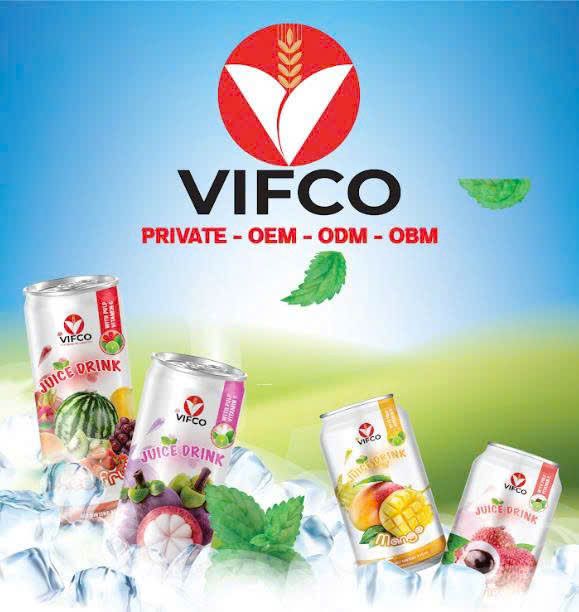
Fruit juice has become one of the most popular beverage categories worldwide as consumers increasingly demand healthier drink options made from real fruit. Behind every bottle or can of fruit juice is a carefully controlled production process designed to preserve flavor, nutrients, and safety from farm to finished product.
For manufacturers like VIFCO Vietnam, understanding and applying a modern fruit juice production workflow is essential — not just for domestic distribution but for meeting the rigorous standards of international export and OEM clients.
1. Raw Material Selection and Harvesting
The journey begins with selecting the right fruit. High-quality fruit with optimal ripeness is crucial for ensuring good flavor and nutrient content. Before harvesting, producers evaluate fruit maturity, sugar content, and overall condition to ensure they meet internal quality standards.
Fresh fruit is then transported to processing facilities in controlled conditions to minimize bruising and preserve its natural properties.
2. Fruit Cleaning and Preparation
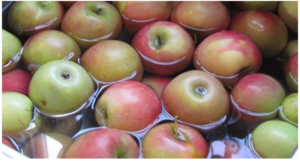
Upon arrival at the factory, the fruit undergoes a thorough cleaning process. This step removes surface dirt, debris, and microorganisms that could compromise product safety. Typical sanitization techniques include:
Immersion in clean water baths
Pressure washing with food-grade detergents
Optical sorting to eliminate damaged or below-standard fruit
Effective cleaning ensures that subsequent steps yield pure and safe juice.
3. Extraction of Juice
Once cleaned, the fruit is prepared for juicing. Depending on the type of fruit — citrus, tropical, or firm varieties — different extraction methods are used:
Citrus fruits (e.g., oranges, lemons): pressed using specialized equipment that separates juice from membranes and seeds.
Firm fruits (e.g., apples, pears): crushed into a mash before being gently pressed under controlled pressure.
This extraction phase is crucial as it directly impacts the yield, flavor, and nutritional content of the juice.
4. Filtration and Clarification
After extraction, the raw juice contains solids, fine particles, and pectin that must be removed to achieve a clear and stable product. Filtration systems — often with multi-stage filters — help separate these undesired elements without stripping away essential vitamins and natural fruit compounds.
Advanced facilities may also use centrifugation for finer clarification. Quality checks during this stage help maintain consistency in color, texture, and purity.
5. Heat Treatment (Pasteurization) for Safety
To ensure water activity and microbial safety, fruit juice is typically pasteurized — a controlled heat process that deactivates pathogens while preserving sensory qualities. Modern pasteurization techniques, such as rapid heating and cooling, maintain the juice’s fresh taste while extending shelf life.
This step helps manufacturers like VIFCO Vietnam deliver products that meet stringent food safety standards required for global distribution.
6. Concentration and Reconstitution (If Applicable)
For certain production models, juice is concentrated by removing water under low pressure. This reduces storage and transportation costs.
Before final packaging, concentrated juice is carefully reconstituted to its intended strength and balanced for sweetness and acidity. This flexibility is especially useful for international markets with varying regulatory and consumer taste preferences.
7. Quality Control Throughout the Process
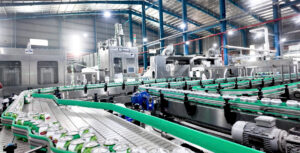
Continuous quality monitoring is integrated at each stage — from raw fruit inspection to final product testing. Parameters such as sugar content (Brix level), pH, acidity, and clarity are regularly measured using both automated sensors and laboratory analysis to ensure compliance with product specifications and safety standards.
For export-oriented producers like VIFCO Vietnam, this rigorous control ensures consistency and builds trust with OEM partners and global buyers.
8. Packaging and Labeling
Before packaging, juice is inspected one final time to ensure it matches all quality criteria. Packaging formats may include:
Aluminum cans
PET bottles
Aseptic cartons
Packaging materials are selected for optimal protection against oxidation and contamination. Modern filling technology preserves freshness and extends shelf life without the need for artificial preservatives.
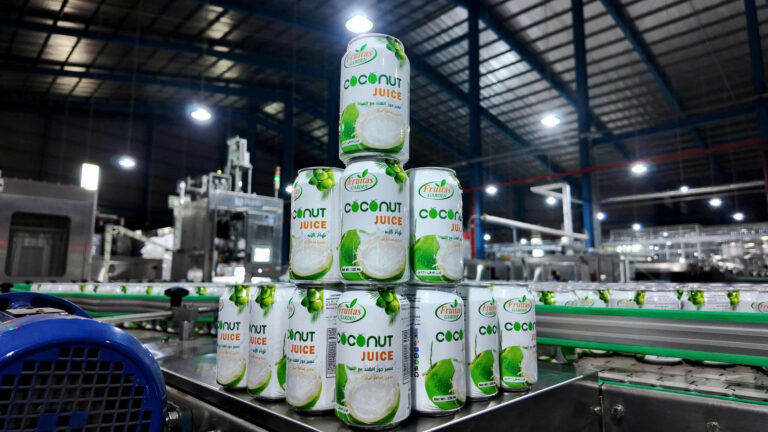
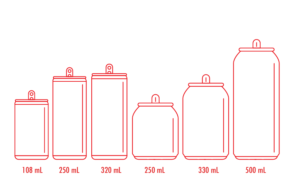 VIFCO offers diverse can and bottle formats tailored to market demand.
9. Finished Product Inspection & Distribution
Final inspections include weight verification, label accuracy, and seal integrity. Products passing quality checks are grouped, palletized, and prepared for distribution to domestic retail networks or shipped to international markets.
With robust traceability systems, companies like VIFCO Vietnam can support global partners with full transparency from ingredient sourcing to finished delivery.
Conclusion
The production of fruit juice is a complex and highly controlled process that blends science, technology, and strict quality standards. From fruit selection and cleaning to pressing, pasteurization, and packaging, each step contributes to delivering juice that is safe, nutritious, and flavorful.
For manufacturers eyeing export markets and international OEM partnerships, mastering each phase of this workflow is essential. Companies like VIFCO Vietnam exemplify this approach, combining modern production techniques with strong quality assurance to meet global expectations and support sustainable growth in the beverage industry.